Cloudy or Blurry Vision
A hazy, filmy quality to your sight that clearer lenses no longer sharpen.

Restore clear, vibrant sight with laser-assisted cataract surgery and premium lens options — trusted by Los Angeles patients from Beverly Hills to the San Fernando, San Gabriel, and Santa Clarita valleys.

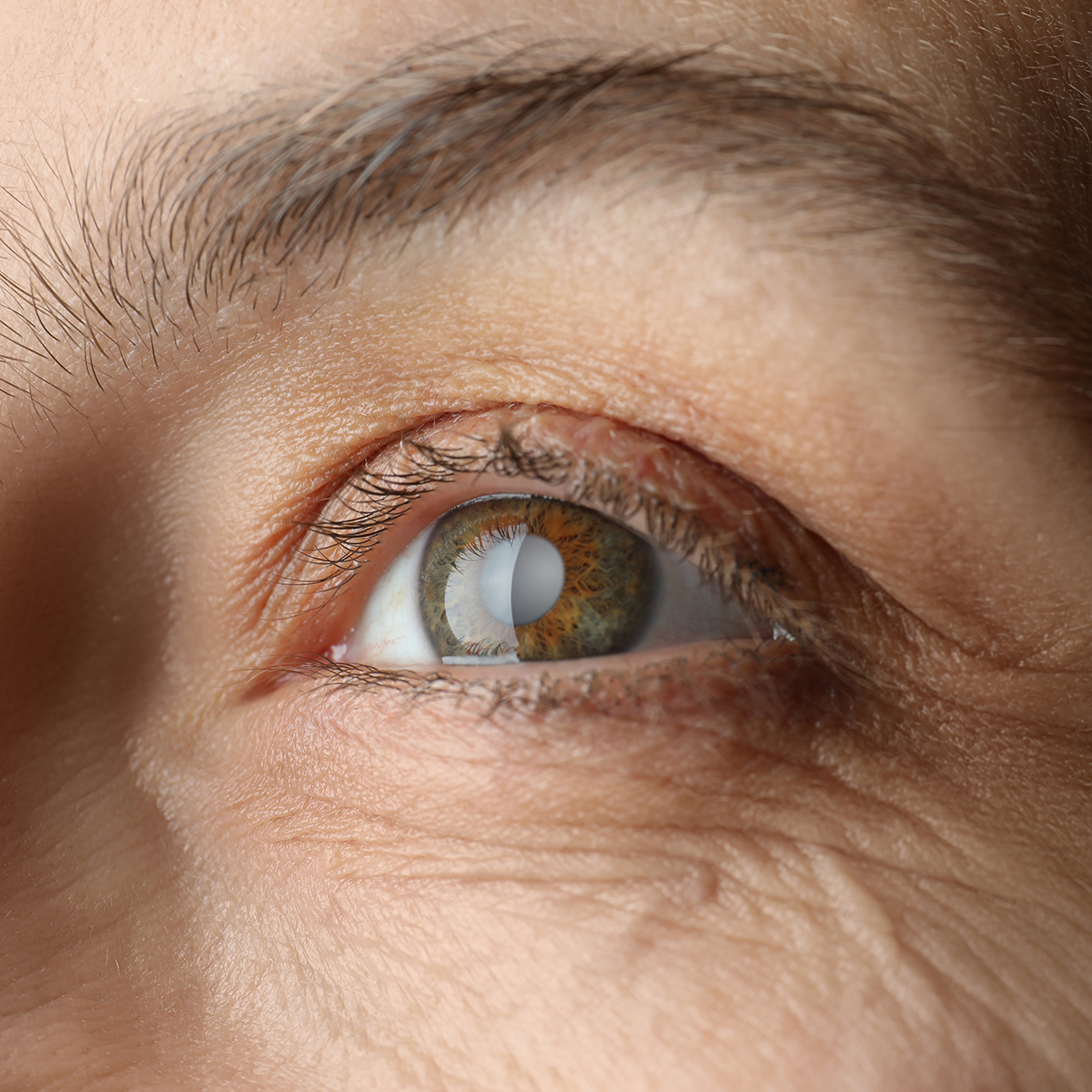
A cataract is a clouding of the eye's natural lens. As we age, proteins inside the lens break down and clump together, scattering light before it reaches the retina. The result is blurry, dim, or yellowed vision that no amount of new glasses seems to fix. Cataracts are extremely common — most people develop them with age — and left untreated they are a leading cause of vision loss.
Cataract surgery is the only proven way to remove a cataract. Your surgeon gently removes the clouded lens and replaces it with a clear artificial lens, called an intraocular lens (IOL), that stays in place permanently. It is one of the most frequently performed and successful procedures in medicine, and for many patients it delivers the sharpest vision they've had in years.
See How It WorksCataracts develop slowly, so the earliest changes are easy to mistake for needing a new prescription. If everyday tasks are getting harder, it's worth an exam. Common symptoms include:
A hazy, filmy quality to your sight that clearer lenses no longer sharpen.
Difficulty driving after dark or reading in dim restaurants and rooms.
Headlights, lamps, and sunshine feel harsh or overwhelming.
Rings or starbursts appearing around headlights and street lamps at night.
Colors look dull or washed out, as if seen through a tinted filter.
Ghosting or doubling that stays even when the other eye is closed.
Berg-Feinfield performs laser-assisted cataract surgery with some of the most precise systems available — for greater accuracy, consistency, and personalized results.
A next-generation platform that removes the cataract with exceptional efficiency and control, supporting a smoother procedure and outcome.
A computer-guided laser — not a handheld blade — performs the most delicate steps, tailoring each incision to the unique measurements of your eye.
Detailed 3D mapping of your eye guides lens selection and placement, maximizing safety, accuracy, and the quality of your final vision.
A femtosecond laser performs key steps with computer-guided accuracy, reducing the variability of manual techniques for a more predictable result.
Advanced imaging tailors each incision and lens placement to your unique anatomy, which can sharpen the performance of premium lenses.
A precise, minimally invasive approach supports comfortable healing, with most patients back to daily life within a day or two.
Cataract surgery is also a chance to upgrade your vision. Beyond standard monofocal lenses covered by insurance, we offer a full range of premium IOLs designed to reduce or eliminate your dependence on glasses. Select any lens to learn more.
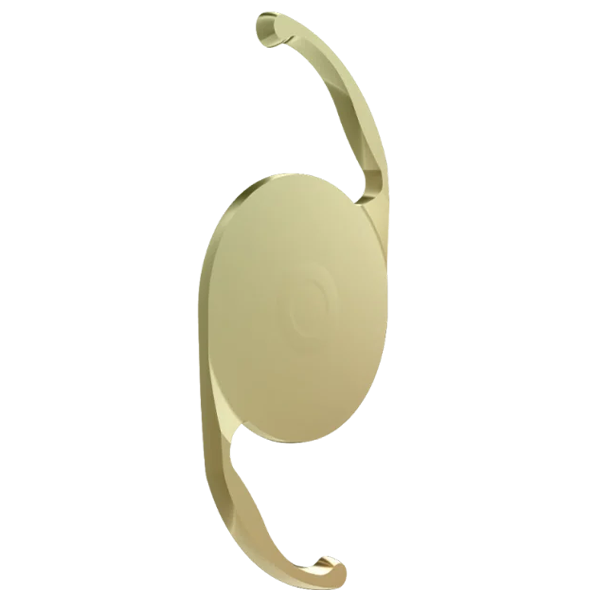
Non-diffractive X-WAVE technology stretches light for an expansive field of view with fewer halos and glare — excellent for computer work, golf, and pickleball.
Learn about Vivity →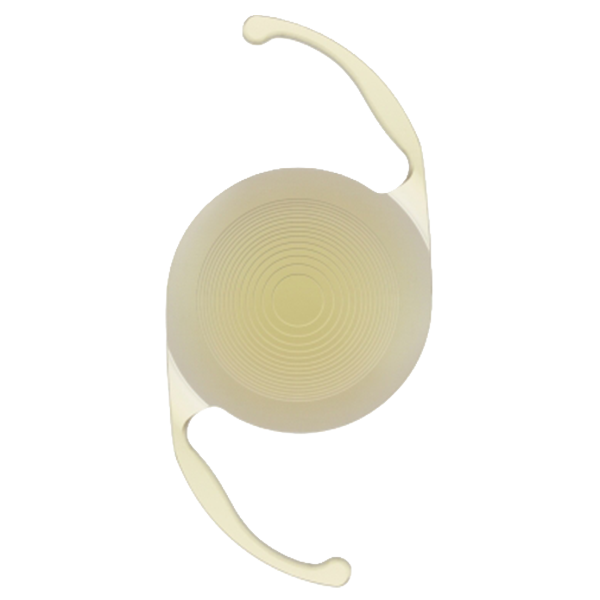
Clear vision at near, intermediate, and far distances — ideal for patients who want maximum freedom from glasses across everyday tasks.
Learn about PanOptix Pro →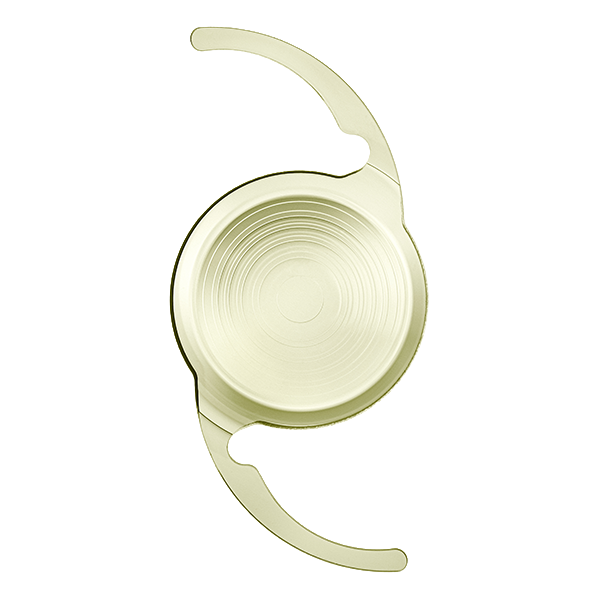
Continuous vision from reading to distance with especially strong near performance and a refined design that minimizes halos and glare.
Learn about Odyssey →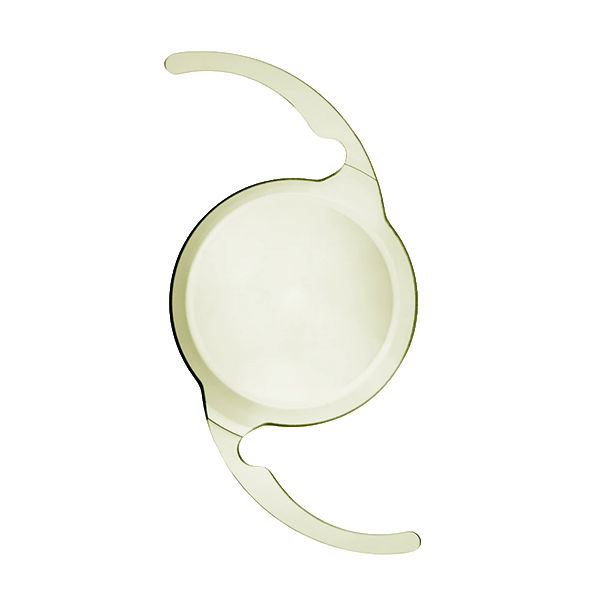
The newest EDOF lens — extended range with monofocal-quality contrast and excellent night vision, the only EDOF approved with no contrast warning.
Learn about PureSee →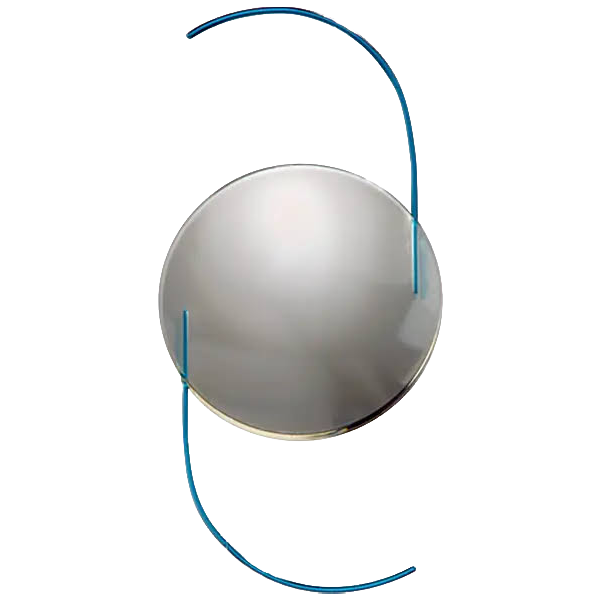
The only IOL you can fine-tune after surgery. Painless light treatments let you preview and adjust your vision in the real world until it matches your lifestyle.
Learn about the LAL →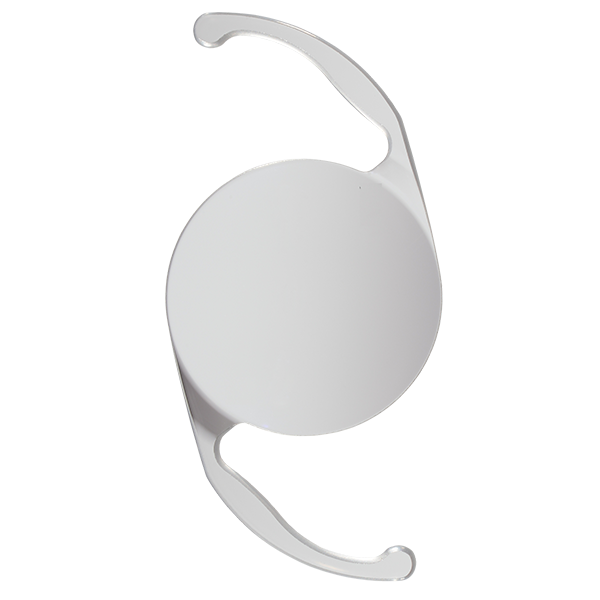
The proven standard lens, typically covered by Medicare and insurance. Delivers excellent vision at one distance, usually paired with reading glasses for close-up tasks.
Compare all lenses →Not sure which lens fits your life? Our surgeons walk you through every option at your consultation. Compare all premium IOLs →
From your first evaluation to clearer vision, we guide you through every step with personalized attention.
Your journey begins with a comprehensive eye exam. We confirm the diagnosis, measure your eyes in detail, and review your symptoms, health, and visual goals. This is also when you'll explore your lens options and, together with your surgeon, choose the IOL that fits your lifestyle and budget.
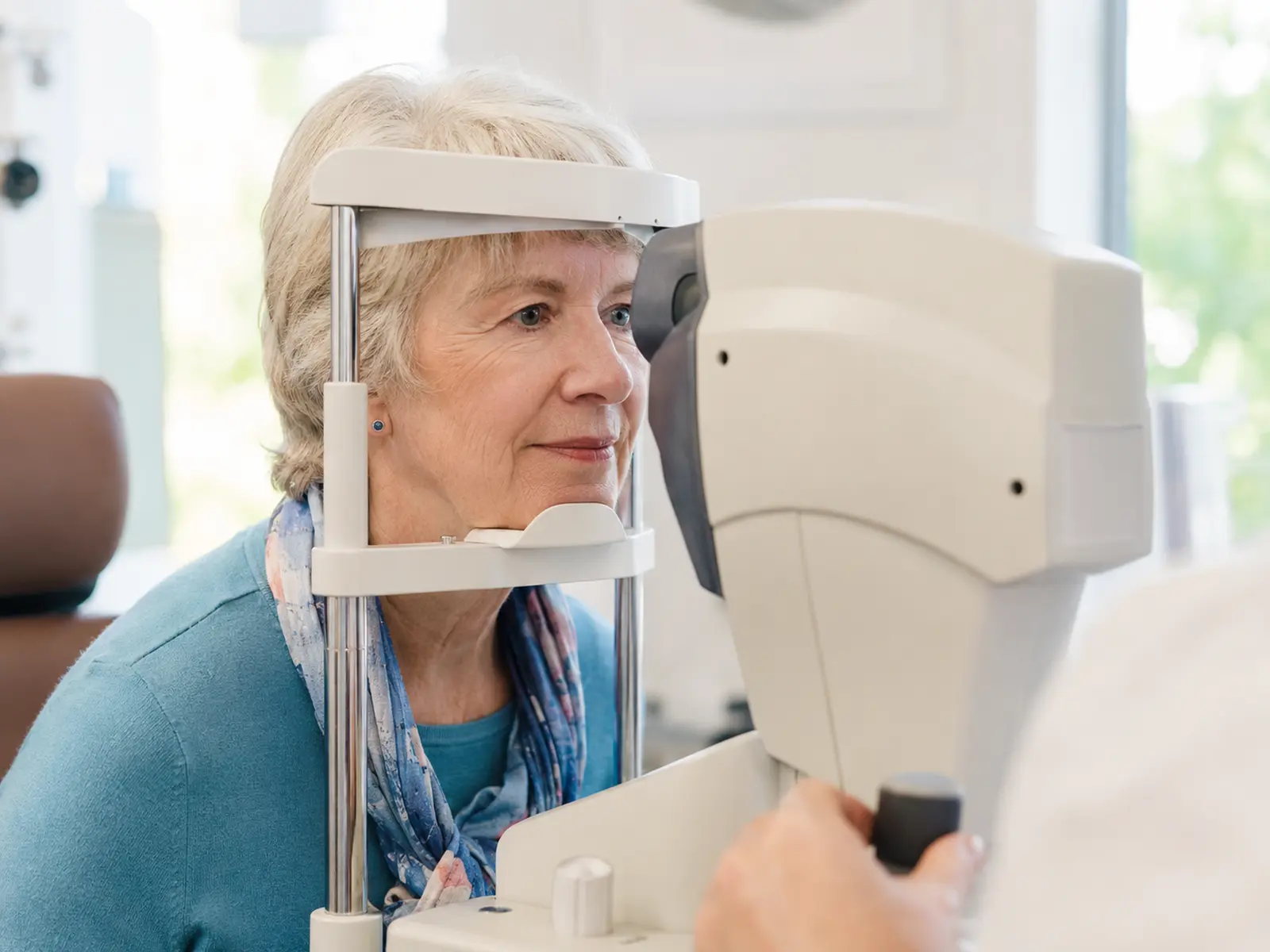
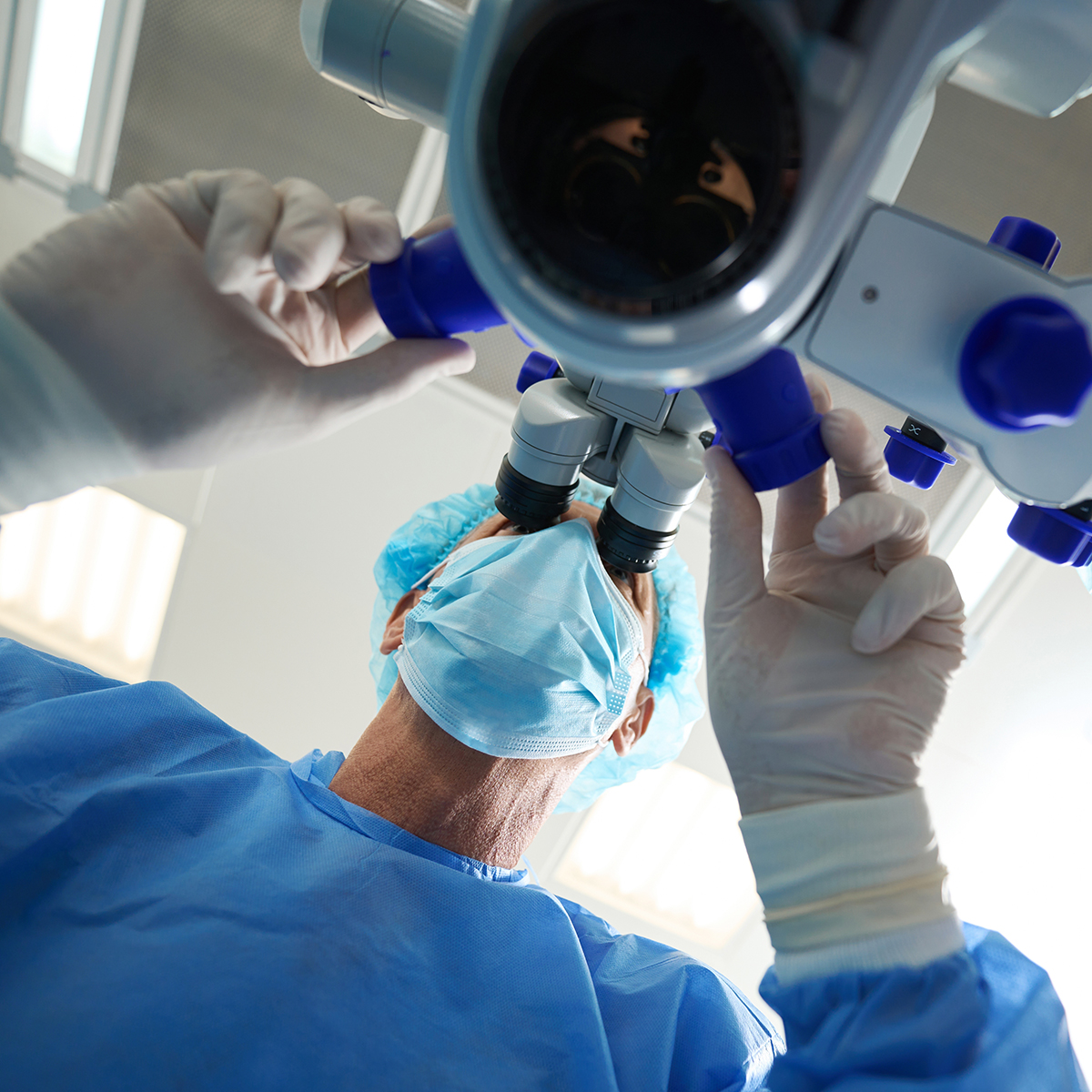
On surgery day, numbing drops keep you comfortable and a mild sedative is available if you're anxious. Using the Alcon UNITY system and LenSx laser, your surgeon removes the clouded lens and places your new IOL. The procedure takes about 10 to 20 minutes per eye, and only one eye is treated at a time — the second is usually scheduled a couple of weeks later.
A friend or loved one drives you home to rest, then back for a follow-up the next day — where most patients are cleared to drive again. You'll use prescribed drops, wear a protective shield at night, and avoid rubbing the eye or strenuous activity briefly. Most people return to work and light exercise within 1 to 3 days as vision continues to sharpen.


Not every cataract needs surgery right away. Early on, brighter lighting and updated glasses may be enough. It's usually time to consider surgery when cataracts start interfering with daily life. You may be ready if you:
The only way to know for certain is a comprehensive eye exam. Schedule your consultation to find out whether cataract surgery can give you back the clear vision you've been missing.
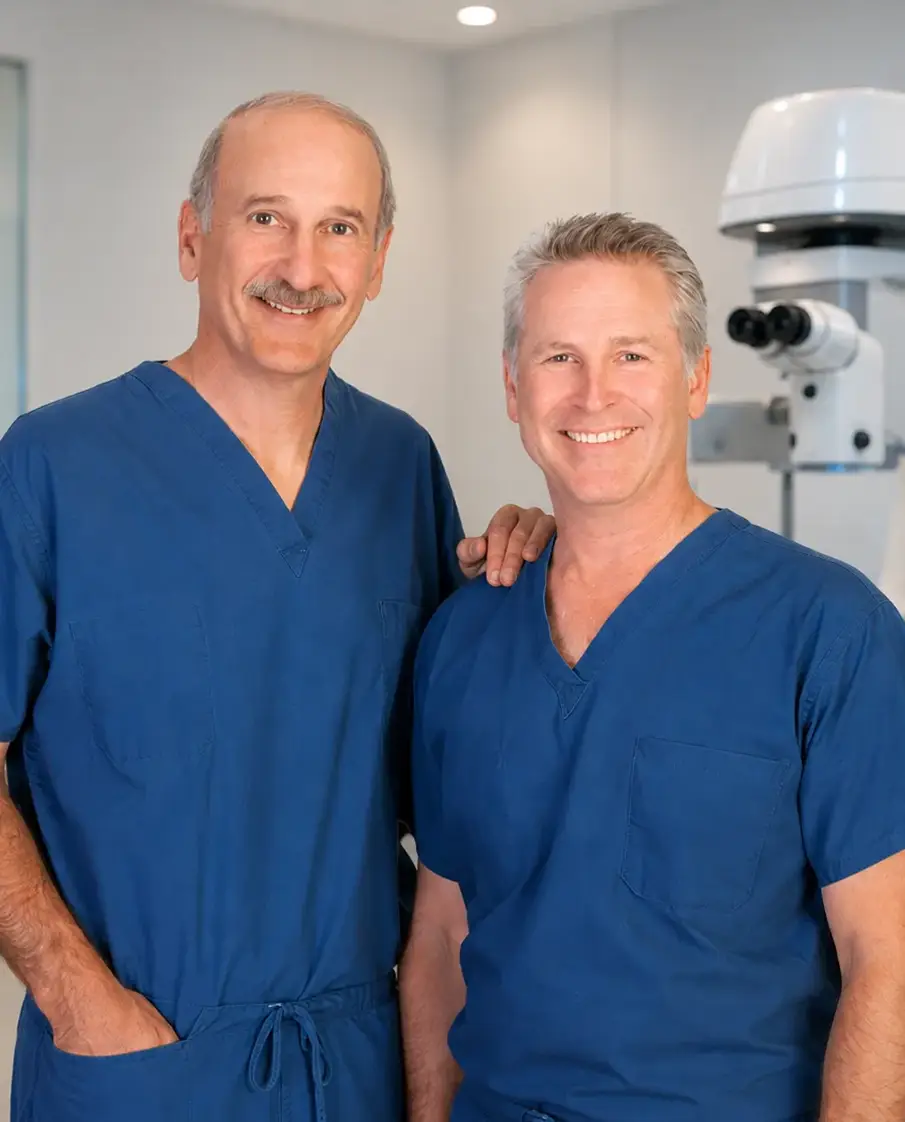
Book Your ConsultationDecades of surgical expertise, paired with the most advanced cataract technology available — close to home across LA.
Trusted by thousands of Los Angeles patients with exceptional surgical outcomes.
Laser-assisted cataract surgery with the Alcon UNITY system and LenSx laser.
From monofocal to trifocal and the Light Adjustable Lens — matched to your goals.
Thousands of successful cataract procedures and life-changing outcomes.
Beverly Hills, Burbank, Sherman Oaks, Arcadia, and Valencia keep expert care nearby.
Five offices across the region make it easy to find expert cataract care close to home.
Call our team to find the office nearest you and book your evaluation.
Call 866-2-SEE FARProudly serving cataract patients throughout greater Los Angeles, including Beverly Hills, Burbank, Sherman Oaks, Arcadia, Valencia, Pasadena, Glendale, Encino, Studio City, Thousand Oaks, and communities across the San Fernando, San Gabriel, and Santa Clarita valleys.
Schedule your cataract evaluation in Beverly Hills, Burbank, Sherman Oaks, Arcadia, or Valencia today — and take the first step toward brighter, sharper vision.